Cabinet Hardware Placement Guide: Spacing Rules for Knobs & Pulls
Published: September 20, 2026 • Written by Master Carpenter Jack Mercer • Fact Checked
Installing knobs and bar pulls is the final, crowning touch on a custom kitchen or bathroom remodel. But drilling through brand-new $150 factory-finished cabinet doors is also one of the most nerve-wracking tasks in finish carpentry. Make one hole 1/8" off, and you are left with permanent damage that no wood filler can hide.
While personal aesthetic taste varies, professional kitchen designers follow strict ergonomic guidelines and visual proportion rules to ensure handles feel comfortable in the hand and align harmoniously across long cabinet runs.
Upper Wall Cabinets: Placement Standards
Upper cabinets sit above eye level or at chest height. Hardware should be placed near the lower corner opposite the hinges so you don't have to reach high:
Upper Door Knobs: Position the center of the knob 2-1/2" to 3" up from the bottom edge of the door, and centered on the door stile (typically 1" to 1-1/4" in from the outer edge).
Upper Door Pulls: Align the bottom mounting screw of the pull with the top of the horizontal bottom rail (usually 2-1/2" to 3" from the bottom). This keeps pulls grounded at a comfortable grasp point.
Lower Base Cabinets: Placement Standards
Base cabinets sit below counter height. Hardware is placed near the upper corner of the doors so you don't have to bend down excessively:
Base Door Knobs: Position the center of the knob 2-1/2" to 3" down from the top edge of the door, centered on the vertical stile.
Base Door Pulls: Align the top mounting screw 2-1/2" to 3" down from the top edge, matching the visual line of the upper doors.
Drawer Pull Placement: Centered vs The Rule of Thirds
How you position pulls on drawers depends on the drawer's depth and style:
| Drawer Type | Recommended Placement | Design Rationale |
|---|---|---|
| Shallow Top Drawers (4"–6") | Centered horizontally and centered vertically. | Uniform aesthetic across top utensil drawers. |
| Deep Pot & Pan Drawers (10"–14") | Placed in the top third of the drawer face. | Centering on a deep 14" drawer places the handle too close to the floor, forcing awkward bending. |
| Extra-Wide Drawers (> 30" Wide) | Two pulls placed at the 1/6 and 5/6 width marks, or one single oversized pull (8"–12"). | Prevents drawer slide racking and binding when pulling with one hand. |
Decoding Center-to-Center (C-to-C) Pull Sizes
Cabinet pull dimensions are universally specified by their center-to-center (C-to-C) hole spacing—the exact distance between the two threaded screw holes—not the overall exterior length of the metal bar.
Common American Standard: 3" (76.2 mm) and 4" (101.6 mm)
European 32mm System Standards: 96 mm (~3-3/4"), 128 mm (~5"), 160 mm (~6-5/16"), 192 mm (~7-9/16"), 224 mm (~8-13/16")
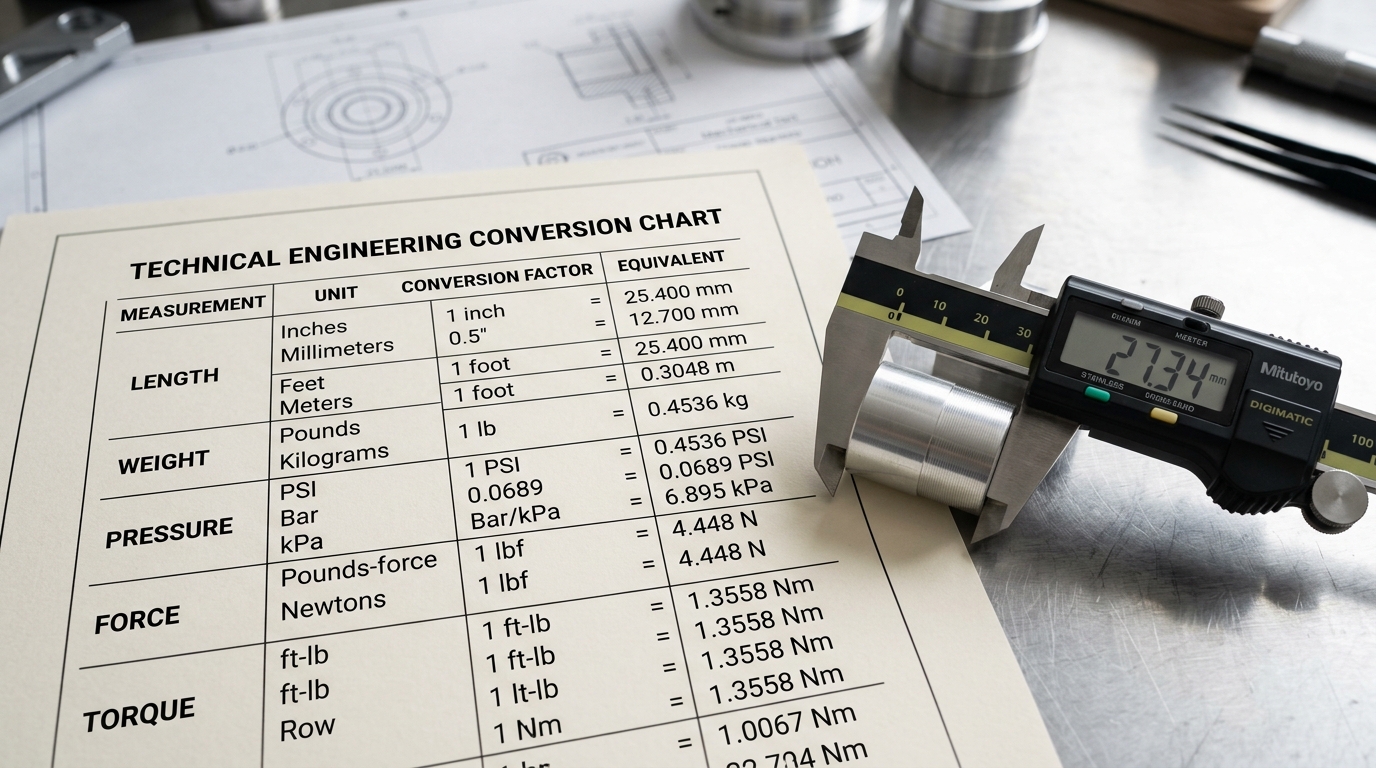
Pro Tip: Modern pulls are predominantly manufactured in metric millimeters (96 mm or 128 mm). Using an imperial tape to drill 3-3/4" for a 96mm pull introduces a 0.03" error that will cause the machine screws to bind or cross-thread.
How to Drill Without Ruining Cabinets: The 4 Rules
- Never measure each door with a tape: Measuring 40 doors individually guarantees human error. Build a custom plywood jig or purchase an adjustable aluminum drilling guide with hardened steel bushings.
- Use a sacrificial backer block: As a drill bit exits the back of an expensive door, it blows out the veneer (blowout/tearout). Clamp a scrap block of solid hardwood tight against the rear face and drill directly into it for a laser-clean exit hole.
- Use a Brad Point drill bit: Standard twist drill bits wander and skate across slick lacquer and melamine. A brad point bit has a sharp center spur that pins the bit exactly on target.
- Check screw length: 5-piece shaker drawer fronts have two thicknesses: the thin center recessed panel (1/4") and the thick perimeter frame (3/4" frame + 1/2" drawer box = 1-1/4" total). Ensure you use 1" screws for single doors and 1-1/2" break-away screws for double-walled drawer boxes.