The Beginner's Guide to Reading Floor Plans
Published: April 22, 2026
Looking at a floor plan or architectural blueprint for the first time can feel like trying to read a foreign language. There are strange lines, mysterious abbreviations, and symbols that look like they belong in a geometry textbook rather than a house.
However, whether you are buying a new home, planning an addition, or just trying to figure out if your massive sectional sofa will fit in your new apartment, learning to read a floor plan is a crucial skill. In this guide, we will translate the language of architects into plain English.
What is a Floor Plan?
A floor plan is simply a 2D drawing to scale, showing a view from above, of the relationships between rooms, spaces, traffic patterns, and other physical features at one level of a structure. Imagine taking the roof off a house and looking straight down—that is what a floor plan represents.
Understanding Scale
The most important concept in reading a floor plan is scale. Because an architect cannot draw a 50-foot house on a piece of paper in its actual size, they shrink it down proportionally.
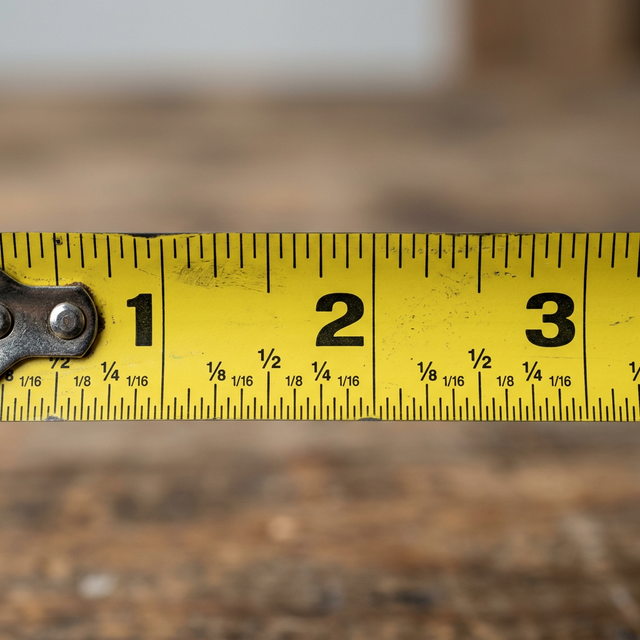
Common Imperial Scale: In the United States, the most common scale for residential floor plans is 1/4" = 1'-0". This means that every quarter-inch on the paper represents exactly one foot in the real world.
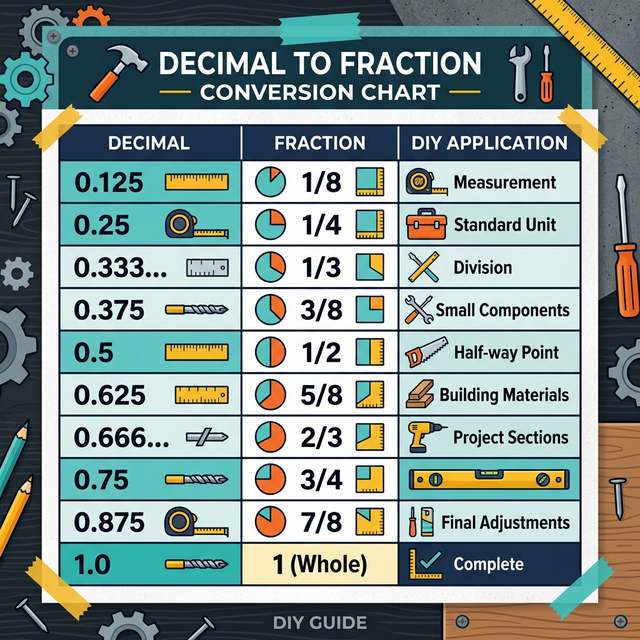
You can use a standard tape measure or a specialized "architect's scale ruler" to measure the drawing. If a bedroom wall measures 3 inches on the paper, and the scale is 1/4" = 1', you divide 3 by 0.25 to find that the wall will be 12 feet long in reality.
Decoding the Lines
Architects use different types of lines to convey different meanings. They don't just draw walls; they draw the types of walls.
- Thick Solid Lines: These indicate exterior walls or structural load-bearing walls. They are the thickest lines on the page.
- Thin Solid Lines: These indicate interior, non-structural partitions (the walls between a bedroom and a hallway, for instance).
- Dotted or Dashed Lines: These represent features that exist above the floor level. For example, a dashed line might show the edge of a tray ceiling, an exposed beam, or a skylight.
Common Architectural Symbols
Floor plans use a standardized set of symbols to represent doors, windows, and fixtures so the drawing doesn't become cluttered with text.
Doors
A standard door is drawn as a straight line extending from the wall (the door itself) with an arc connecting it to the adjacent wall. The arc shows the swing direction of the door. This is crucial for planning furniture placement—you don't want to place a dresser where the bedroom door needs to swing open!
- Pocket Doors: Drawn as a thin rectangle sliding into the thickness of a wall.
- Bifold Doors: (Common for closets) Drawn as two small lines angled inward like a 'V'.
- Sliding Glass Doors: Drawn as two overlapping thin rectangles within the wall line.
Windows
Windows are typically drawn as a break in the thick exterior wall line, filled with two or three thin parallel lines. The type of window (casement, double-hung, awning) might have slight variations, but the thin parallel lines within a wall break are the universal sign for glass.
Plumbing and Fixtures
Kitchens and bathrooms have their own language. Bathtubs are drawn as ovals inside rectangles. Toilets look like a small oval attached to a rectangle against the wall. Sinks are oval or rectangular bowls. Stoves usually have four small circles representing burners, and refrigerators are boxes labeled "REF."
Reading Dimensions
Finally, look for the dimension lines. These are thin lines with tick marks or arrows at each end, running parallel to walls. A number will be written in the middle of the line (e.g., 14'-6"). This is the exact measurement of that space.
Always trust the written dimensions over your own measurements of the paper with a ruler. If a plan has been photocopied or printed incorrectly, the scale might be distorted, but the written numbers are the architect's definitive instruction to the builder.