How to Calculate Square Footage: The Ultimate Guide for DIYers
Published: April 22, 2026
Whether you are planning to lay down new hardwood floors, install plush carpeting, or give your living room a fresh coat of paint, the very first step of your project is always the same: calculating square footage. Getting this number wrong can result in either scrambling to buy more materials mid-project (hoping the dye lot matches) or wasting hundreds of dollars on excess supplies you don't need.
In this comprehensive guide, we will break down exactly how to measure and calculate square footage for any room—no matter how strange the shape.
The Basic Formula: Rectangles and Squares
The vast majority of rooms are simple rectangles. If your room is a standard box shape without any major alcoves or bump-outs, the formula is incredibly straightforward.
Square Footage (sq. ft.) = Length × Width
Step-by-Step Instructions:
- Clear the edges: Ensure you have a clear path along the baseboards of two adjacent walls.
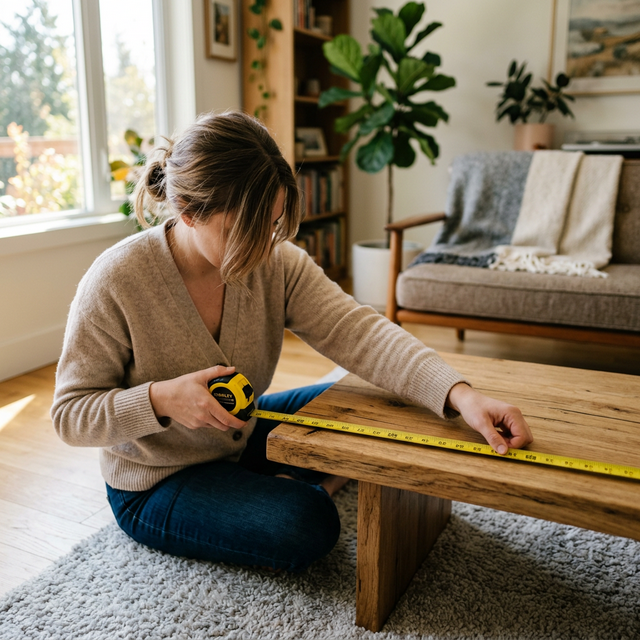
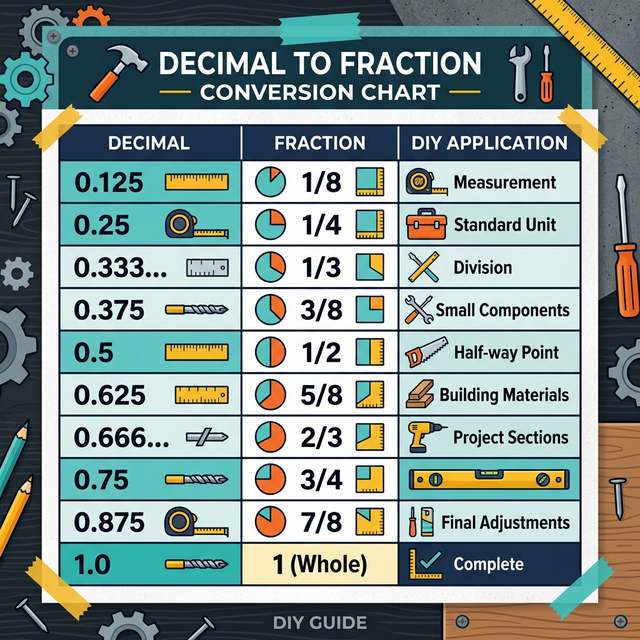
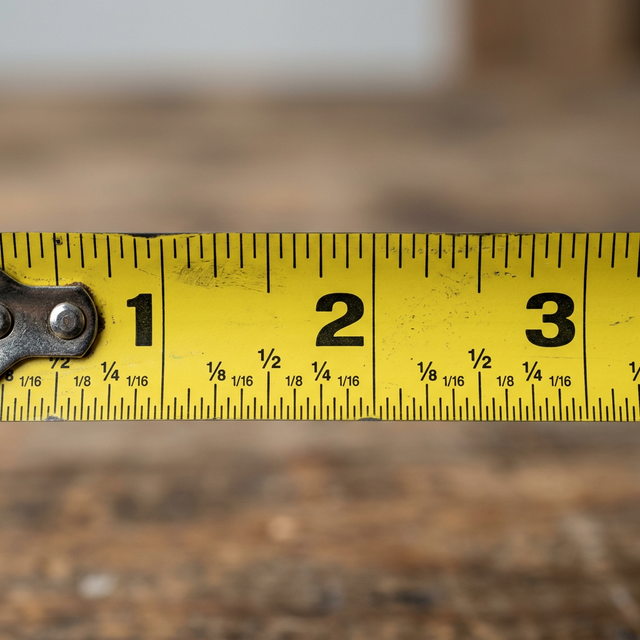
- Measure the Length: Take your tape measure and measure the longest wall from corner to corner. Write this number down in feet. (If your measurement includes inches, divide the inches by 12 to get the decimal equivalent. For example, 10 feet 6 inches becomes 10.5 feet).
- Measure the Width: Measure the shorter wall from corner to corner. Write this number down.
- Multiply: Multiply the Length by the Width.
Example: If your room is 12 feet long and 10 feet wide, your calculation is 12 × 10 = 120 square feet.
Dealing with Complex Room Shapes
Very few houses are perfect boxes. What do you do if your room is L-shaped, has a bay window, or features a large closet you also want to floor?
The trick is decomposition. You need to break the complex room down into smaller, manageable rectangles.
The L-Shaped Room
If you have an L-shaped room, imagine a line separating it into two distinct rectangular sections (Section A and Section B).
- Measure the length and width of Section A and multiply them to get its square footage.
- Measure the length and width of Section B and multiply them to get its square footage.
- Add the two numbers together for your total room size.
Rooms with Alcoves or Closets
Treat alcoves and closets as additional small rectangles. Measure the main rectangular body of the room first. Then, measure the depth and width of the alcove. Multiply those two numbers, and add the result to the main room's total.
Calculating Wall Square Footage for Paint
Calculating square footage for flooring is one thing, but what if you are painting? You need to measure the walls, not the floor.
Wall Area = (Wall Length × Ceiling Height) - Area of Doors & Windows
To do this accurately:
- Measure the total length of all the walls in the room added together (the perimeter).
- Multiply that perimeter by the height of the ceiling. This gives you the total wall area.
- Measure the height and width of every door and window in the room, multiply them to find their square footage, and subtract that total from your wall area.
Pro Tip: A standard door is about 21 square feet, and a standard window is about 15 square feet. If you don't need exact precision, you can subtract these averages instead of measuring every single one.
The Golden Rule: The Waste Factor
This is the most critical step that beginners often forget. Once you have your exact square footage, you cannot just buy that exact amount of material.
When installing flooring (tile, hardwood, vinyl planks), you will inevitably have to make cuts to fit pieces against walls, around corners, and around door jambs. Those cut off-cuts are usually unusable. Furthermore, you may find a few defective pieces in a box.
You must calculate a Waste Factor, which is usually 10% to 15% added to your total.
- For standard rooms and straight layouts: Add 10%. (Total Sq. Ft. × 1.10 = Amount to buy).
- For complex rooms or diagonal layouts: Add 15%. (Total Sq. Ft. × 1.15 = Amount to buy).
- For patterned tile: Add up to 20% to ensure patterns align perfectly.
By following these steps, breaking complex rooms into simple shapes, and always accounting for waste, you'll ensure your DIY project goes smoothly without the headache of running out of supplies.